How Winter Weather Impacts Your Home’s Exterior
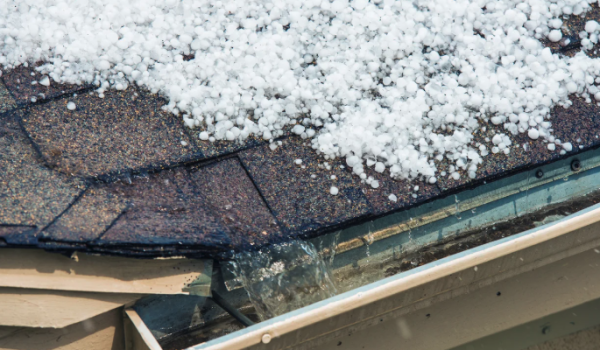
Winter weather quietly damages your home’s exterior through moisture, freezing temperatures, and repeated freeze–thaw cycles. Even when damage isn’t visible, winter conditions weaken windows, siding, roofing, doors, gutters, and trim. In this guide, we explain how winter causes exterior damage, what warning signs to look for now, and when repair, restoration, or replacement makes sense before spring arrives.
How Freeze–Thaw Cycles Damage Your Exterior
The biggest winter threat to your home’s exterior is freeze–thaw cycling. When moisture enters small gaps and freezes, it expands. As temperatures rise, it melts, and the cycle repeats.
Over time, this leads to:
- Cracking and separation
- Warping and loosening
- Rot and hidden moisture intrusion
- Seal failures that worsen during spring rains
These issues rarely appear overnight, which is why winter damage often goes unnoticed until spring.
Exterior Areas Most Affected by Winter Weather
Based on what we see during inspections, winter damage most commonly affects:
- Trim and caulking — cracking or pulling away as materials expand and contract
- Siding — warped, loose, or improperly sealed sections
- Wood windows and frames — soft spots, rot, or moisture damage
- Roofing components — compromised seals from ice and melting snow
- Gutters and downspouts — sagging, cracking, or pulling away due to ice buildup
Early Warning Signs Homeowners Can Check Right Now
Many winter-related problems can be identified with a simple visual inspection.
We recommend watching for:
- Cracked, peeling, or missing caulk around windows and doors
- Soft, darkened, or crumbling wood trim
- Siding that looks uneven, loose, or bowed
- Water stains near windows or along exterior walls
- Gutters that sag, leak, or fail to drain properly
Catching these issues early often prevents more invasive repairs later.
Why Small Winter Issues Become Big Spring Problems
Winter damage often worsens when spring rain arrives.
Once moisture finds weakened areas, it can lead to:
- Interior water damage
- Mold or rot behind siding or trim
- Reduced energy efficiency and comfort
- Larger, more expensive repairs
Addressing issues during winter or early spring helps homeowners avoid emergency repairs during peak season.
Repair vs. Restore vs. Replace: How We Help You Decide
Not every issue requires a full replacement. Our job is to recommend the most cost-effective solution, not the biggest one.
Repair
Best for:
- Minor caulking failures
- Small trim or flashing issues
- Isolated damage
Restore
Often ideal for:
- Aging windows with solid structure
- Exterior elements showing wear but not failure
- Improving performance without full replacement
Replace
Recommended when:
- Damage impacts energy efficiency
- Structural integrity is compromised
- Long-term durability is no longer achievable
A professional inspection ensures the right decision is made for your home and budget.
Local Insight: What We See Every Spring
Each spring, we see homeowners dealing with preventable damage that started during winter, especially around windows, trim, and siding. Homes inspected early typically require simpler, lower-cost solutions than those addressed after leaks or rot appear.
Frequently Asked Questions
Is winter damage always visible?
No. Many issues develop beneath siding, trim, or window frames and aren’t obvious until spring.
Can inspections be done during winter?
Yes. Winter inspections are often ideal for identifying moisture-related vulnerabilities early.
Are repairs cheaper if caught early?
Almost always. Early repairs are typically far less expensive than replacements caused by prolonged damage.
Do all exterior issues require replacement?
No. Many problems can be repaired or restored if addressed before structural damage occurs.
When should I schedule an inspection?
Winter or early spring is the best time, before demand and repair costs increase.
Schedule a Winter Exterior Inspection Before Spring Arrives
Winter is the best time to identify hidden exterior issues and plan smart repairs before spring weather exposes them.